

Emotional intelligence, also known as emotional quotient or EQ, is the ability to understand, manage, and use emotions in a positive manner, as well as understand the effect they have on other people. This can help with stress reduction, communication skills, and being more empathic, as well as conflict resolution – all of which are helpful skills in both personal and professional settings.
These skills can help an individual to build stronger connections with people, do better in school or the workplace, and achieve career and personal goals, as well as be more assertive and turn ideas into tangible actions.
Emotional Intelligence in Leadership
Leaders are often the ones that set the tone and define the culture of a business or organization, and this is why EQ can play a major role in having a positive effect on the whole workplace. A leader with emotional intelligence will lead with empathy and understanding and foster positive relationships with their subordinates and coworkers, creating an altogether more positively charged workplace for all – something that Jako Hall knowns well from leading various teams throughout his career.
This approach can have numerous benefits, including building healthier bonds between team members, encouraging growth and creativity, helping everyone to do their best, and creating a positive workplace culture that in turn will create more productivity.
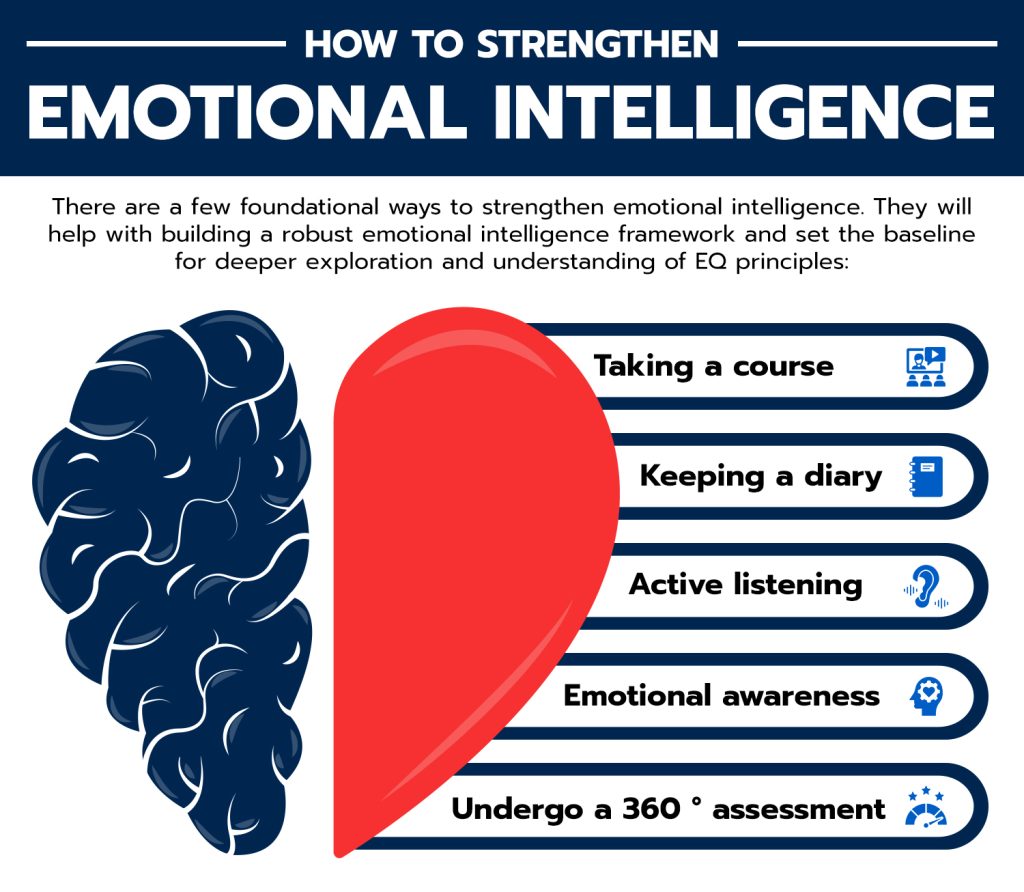
The Four Components of Emotional Intelligence
The four components of emotional intelligence are self-awareness, social awareness, self-management, and relationship management. All of these can aid a person in performing better in a leadership role.
Self-awareness makes a person more aware of their strengths and weaknesses. This means that they can regulate their emotions and reactions in difficult situations and therefore offer better leadership. This is closely linked to self-management, where retaining a positive outlook and calm mental state in any situation will not only benefit the person themselves but will also influence the whole team and their performance under pressure.
Social awareness is the awareness of other people’s emotions and how they affect the workplace, as well as the knowledge of the social environment the business or organization operates in. Both come from a place of empathy and striving to comprehend other people’s feelings and perspectives, which will lead into better communication and understanding.
Social awareness is particularly important when it comes to relationship management. Effective leaders need to be able to resolve conflicts, offer motivation, and lead their team towards set goals. Having the ability to understand different points of view and lead with empathy are invaluable skills when it comes to dealing with these issues.