The 21st-century workforce is a multi-generational workforce that has a mix of people with diverse needs, skills, experiences, and expectations. This is to be expected, given there are many who are working past the traditional retirement age, with a significant number of workers taking on second careers later in life. In a business environment, this diversity is good when handled well, but it can also be the cause of conflict or division.
For experienced leaders such as Jako Hall, tapping into a multi-generational workforce requires understanding them beyond the surface-level stereotypes. Technology has played a big role in this diversity, and it’s more important than ever to take this into account. As workplaces evolve and adapt to technology, it’s critical to ensure the complementary skills employees bring are leveraged for collective benefits.
Understand the Differences
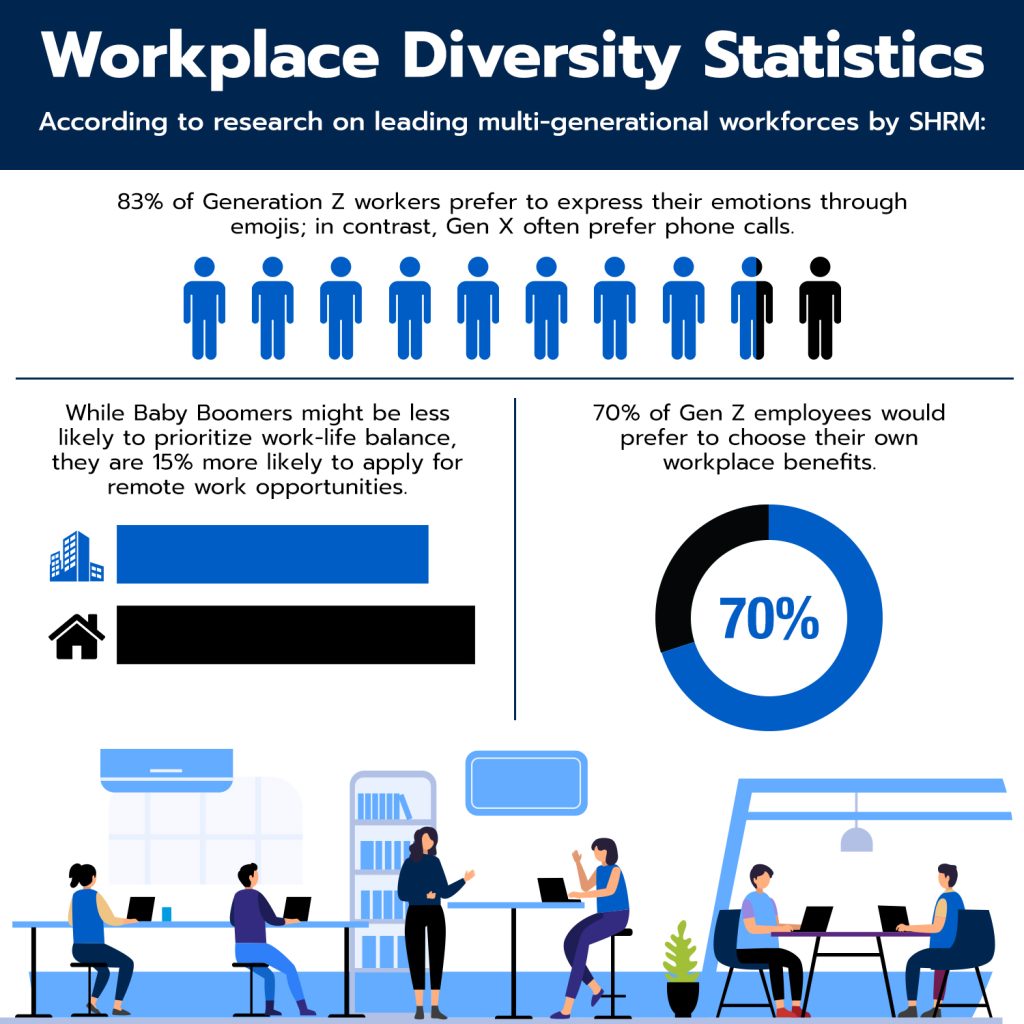
To effectively work with a generationally diverse team, it is vital to first understand the unique traits and styles that each cohort brings. For example, Baby Boomers may value job security and loyalty, while other generations may not necessarily have these values at the top of their list. Generation Z, on the other hand, values technological proficiency, and this may impact their communication preference in ways other generations may not demonstrate.
The Role of Communication
Effective communication is a success factor for the modern workplace, and business leaders should tailor their communication style to address the needs of their teams. While digital communication tools are often preferred by millennials and Generation Z workers, face-to-face interactions shouldn’t take a backseat. Incorporating a mix of these methods ensures the message reaches its intended audience.
Foster Inclusion
Leaders have a critical role to play in setting the tone for the rest of the team, and demonstrating inclusion is one way of creating the right culture. One of the best ways to do this is to provide a platform for diversity of thought. When everyone feels they can have open dialogue, regardless of their generation, the business benefits from having diverse perspectives shared on particular issues.
Use Technology Well
Younger generations may embrace innovations faster than their colleagues. As such, it is up to leaders to see the opportunities where technology will streamline processes or communication for a much more effective workplace. Offering training programs can help bridge gaps to promote more collaboration.